If you want to sell your house anywhere, remember it’s never easy. But when your home comes equipped with solar panels, it introduces unique opportunities and challenges.
In Texas, where sunny days are plentiful, and energy independence is highly valued, solar panels can significantly enhance the appeal of your property. However, you must approach the sale strategically to maximize their value and attract the right buyers.
This guide will explain the essential steps to effectively market and sell your house with solar panels in Texas. It will ensure that you highlight the benefits and easily pass through the potential hurdles. Keep reading!
5 Ways to Sell a House with Solar Panels in Texas

Here are four effective ways to market and sell your solar-powered home in Texas:
1. Selling with a Solar Lease/Power Purchase Agreement (PPA)
If you want to sell a house with solar panels that you are still paying for, you usually have two options.
First Choice
The person buying your house can take over the solar panel payments. You need to talk to the company that owns the solar panels and ensure the new buyer has good credit. This way, the new owner can get solar panels and save money on energy bills without spending more.
Second Choice
The proceeds from the sale of your house might cover your remaining solar panel expenses. If you sell your home, the subsequent owners will not bear the solar panel installation. However, purchasing solar panels beforehand might be costly, so consider how it will affect the money you receive when selling your home.
2. Selling with a Community or Shared Solar Agreement
Selling a home with Community or Shared Solar is a process that involves a few essential steps:
- Contact the Shared Solar Program Provider: Talk to the community solar program provider.
- Understand the Agreement: Sometimes, you can pass on your piece of the solar panels to someone new. Other times, they might want you to sell your share to the program or someone else.
- Talk to Your Real Estate Agent: Make sure the person helping you sell your house knows about the community solar share and understands how it can affect selling your home. They should be able to explain this setup to potential buyers.
- Include in Home Listing: Your home listing should mention the shared solar agreement. Potential buyers should know that the home is part of a community solar project. Some buyers interested in renewable energy might find this appealing.
- Homebuyer Agreement: Understanding how community solar programs work is essential to helping your business grow with solar energy. If you are buying a solar share, agree to the program’s terms and apply before finalizing the sale. This step will help prevent any issues down the line.
- Legal Advice: It might be a good idea to talk to a real estate attorney, depending on the complex shared solar agreement. They may confirm that all procedures are followed correctly and that the interests of all parties are upheld.
3. Selling a Home with a Solar Energy Purchase Agreement (SEPA)
When selling a home with a Solar Energy Purchase Agreement (SEPA), there are specific essential considerations to consider:
- Read the SEPA Contract: Look carefully at the SEPA contract. Understand how long it lasts, the price, and any rules you must follow.
- Talk to the Solar Company: Contact the company that provides solar energy. Talk to them about selling the home and see what options you have. Ask if the new buyer can take over the SEPA or if there are other choices.
- Talk to Your Real Estate Agent: Talk to your agent about the SEPA. They should be able to explain it to potential buyers.
- Include SEPA Details in Your Home Listing: When marketing your house, explain the SEPA and why it benefits buyers. Saving money and being environmentally friendly are significant selling advantages.
- Educate Potential Buyers: Prepare to tell potential purchasers about the SEPA. Share how it offers fixed energy rates, which can save them money, and why clean energy is essential for everyone.
- Transfer the SEPA Smoothly: If the new homeowner wants to continue using the SEPA, work with the solar business to guarantee a smooth transition. Ensure that all essential documentation is completed accurately and on schedule.
- Consider Legal Advice: Consulting a real estate attorney may be wise if the SEPA contains complex legal concerns.
4. Selling a Home with Leased Solar Panels
If you are selling a property with rental solar panels, here’s what you need to do:
- Read the Lease Agreement: First, thoroughly study the solar panel lease agreement. Understand the lease’s duration, monthly payment, and whether you may buy or transfer it.
- Tell the Solar Company: Contact the company where you rented your solar panels. Tell them you are selling the house. Find out from them whether you may purchase the lease early or what steps must be taken to transfer it to the new owner.
- Tell Your Real Estate Agent: Ensure your agent knows the rented solar panels. They can help explain this to potential buyers.
- Talk to the Buyer’s Lender: If the buyer needs a mortgage, the leased panels might affect their loan. They need to talk to their lender about this.
- List the Lease Details: When you list your home for sale, mention that it has leased solar panels.
- Educate the Buyers: Prepare to explain to potential customers how renting your product works and how it may save them money. Give them any papers or info from the solar company.
- Transfer the Lease: If the buyer wants to take over the lease, coordinate with the solar provider to do it appropriately. Make sure you have completed all of the essential documentation accurately.
- Get Legal Advice: They can vouch for everyone’s safety and the accuracy of everything.
5. Sell House As-IS
One of the simplest and most easy methods is to sell your house as-is. This means you do not have to remove the solar panels or make any modifications related to them. Also, it can be particularly appealing if the panels are in good condition and have a significant amount of their lifespan remaining.
Here’s how to make this work:
- Highlight the Benefits: Talk to the buyers about the cost savings on energy bills and the environmental benefits of having solar panels. Potential buyers are likely to appreciate the immediate advantages without the hassle of installation.
- Provide Documentation: Have all necessary documentation ready, including warranties, maintenance records, and energy savings reports. Transparency about the condition and performance of the solar panels can build buyer confidence.
- Price Appropriately: To retain the potential buyer, price your home competitively, reflecting the added value of the solar panels. Work with a cash buyer experienced in selling homes with solar installations to set a fair market price.
Benefits of Selling A Home With Solar Panels in Texas
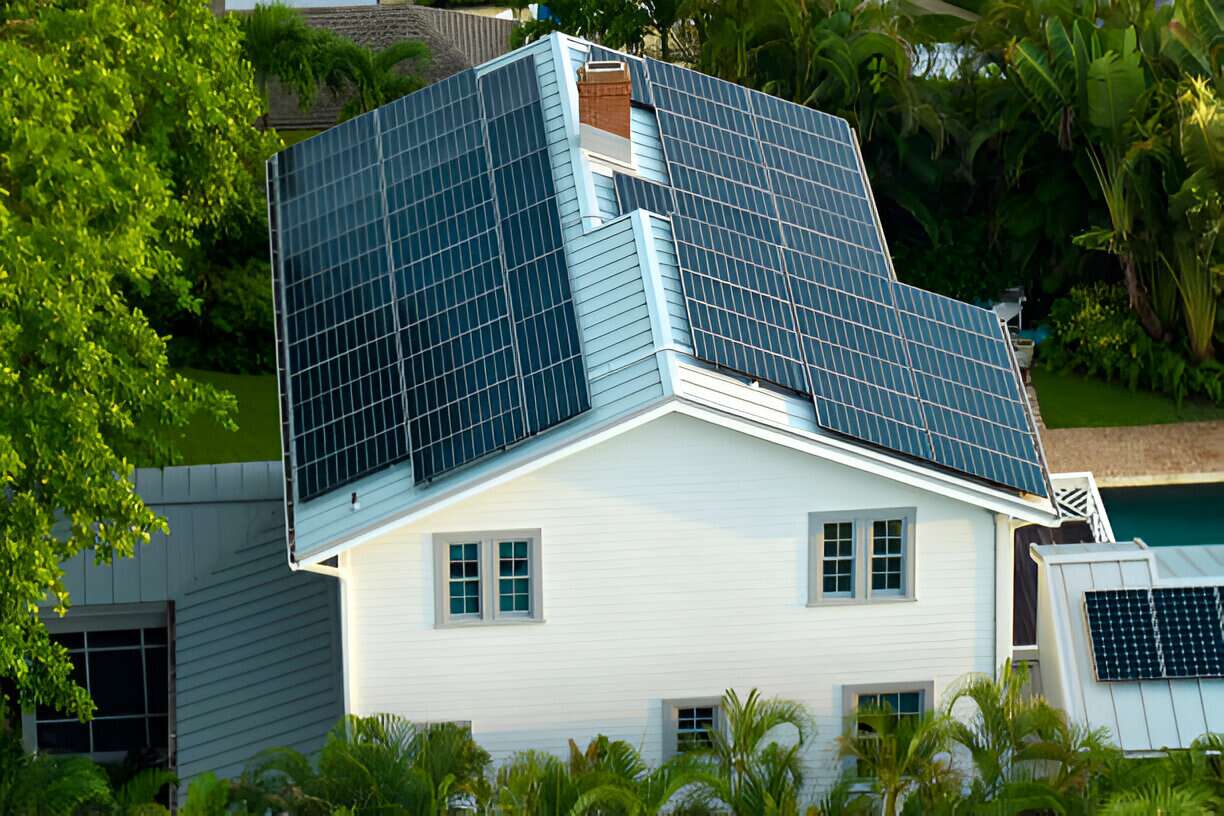
Selling a property with solar panels offers several advantages. Let’s look at a few of them.
1. You Can Promote Lower Energy Costs
Solar panels are a good solution for Texas households looking to save money on their power costs. Families that use solar panels may save around $147 each month, for $1,764 per year. These reductions can also make properties more affordable for those looking to buy them.
2. Positive Environmental Impact
Many people like homes with solar panels because they are suitable for the Earth. These panels help keep the air clean. Some people care about using energy that doesn’t run out, so they join the green energy group. Others just wish to pay less for their power. The amount you save varies depending on where you reside.
3. You May Be Able To Sell Faster
If you want to sell your home quickly, solar panels can help. Selling a property typically takes time because you must determine its value and verify that everything is in excellent condition. Solar panels can speed this up and help you get an offer sooner.
4. You May Be Able To Sell For More
If your house has solar panels, it might sell faster and cost more money. This is especially true if other adjacent homes with solar panels sold for a higher price.
Mistakes To Avoid When Selling A House With Solar Panels
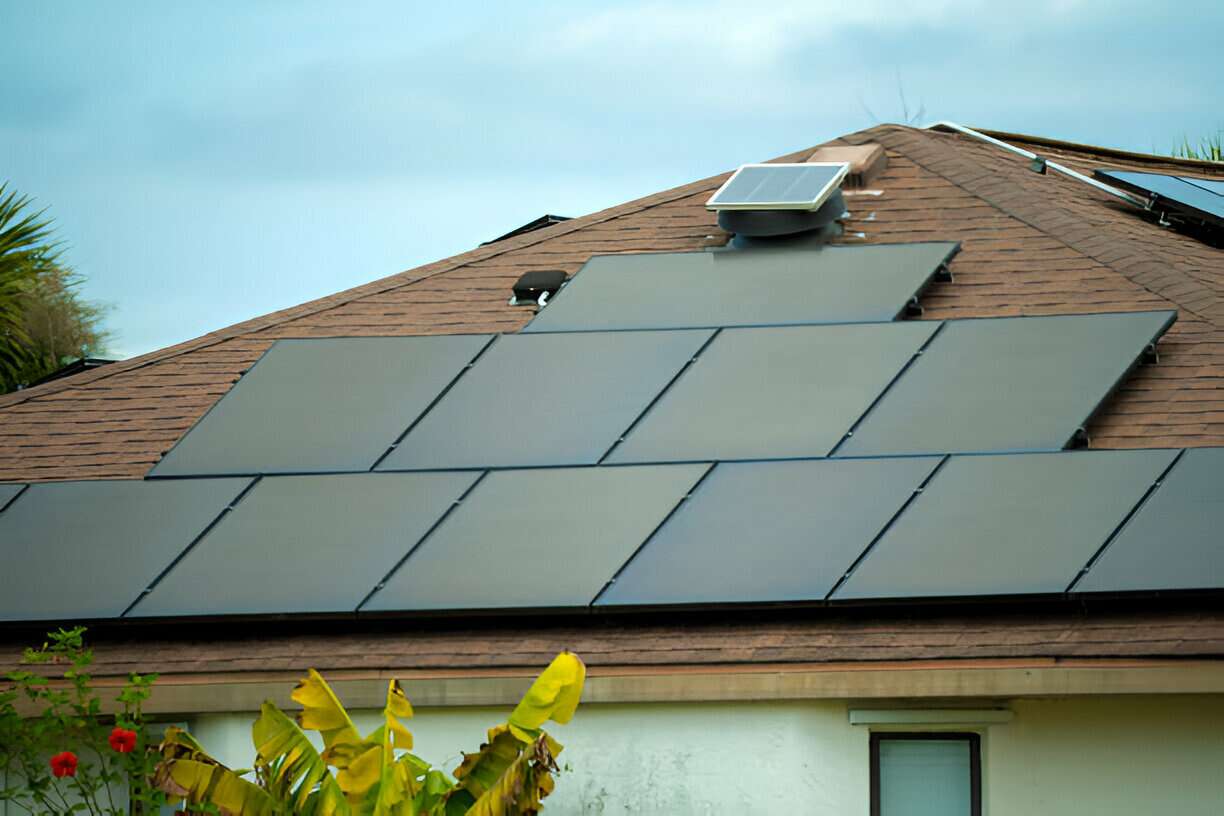
Selling a property with solar panels might be difficult, but you can take some creative efforts to make the process smoother.
Not Telling Everything
To help your business flourish, be honest with consumers about possible savings, panel maintenance, warranty information, and panel longevity. Trust between customers and sellers is essential for successful business interactions.
Doubting the Panels
You shouldn’t talk badly about the panels, either. Purchasing solar panels is expensive, and the return on investment can take time and effort. The length of time varies depending on your location and the amount of sunshine.
The future owner of your home won’t have to spend as much on solar panels as you did. Consequently, the panels can soon pay for themselves. So, when selling your home, consider adding solar panels.
FAQs
How do solar panels affect the selling price of my home?
Solar panels can significantly increase the value of your home by reducing energy costs and enhancing its appeal to eco-conscious buyers. Homes with solar panels often sell for more than those without. The exact impact on your home’s selling price depends on various factors, including the age and condition of the solar panels, the energy savings they provide, and the terms of any existing solar agreements.
We recommend PEP Solar for a professional assessment and installation to ensure your solar system is optimized for maximum value.
Is it more challenging to sell a house with solar panels?
Solar-paneled homes are popular among purchasers and generally sell rapidly. Many people will be interested when you put your solar-powered home up for sale.
Can You Move Solar Panels To A New Home?
No, you cannot relocate solar panels to a new residence. If you attempt, they may shatter, as would your home’s roof. Fixing these issues might be costly.
How long can I expect my solar panels to last?
Figuring out how long solar panels endure may be difficult. Ask the solar business or the installers. Checking the warranty is an excellent approach to getting an idea. If there is a warranty, be sure it remains with the house even if you sell it.
Conclusion
You got it. You can attract motivated buyers and achieve a successful sale by highlighting the financial benefits, ensuring proper documentation, showcasing the environmental impact, and marketing to the right audience.
Solar panels increase your home’s appeal and contribute to a greener future—making your property a desirable option for eco-conscious buyers.
Collaborating with Solar Panel Companies that understand solar panels may be beneficial as they can assist buyers in thoroughly inspecting everything, ensuring a smooth process.
With these strategies in place, you can pass through the unique challenges and maximize the value of your solar-powered home.